

Quotes from Ofsted, Pupil Voice and Parent/Carer Survey
Teachers help all pupils to succeed. This includes effective support and nurture for pupils
with special educational needs and/or disabilities (SEND). Skilled leadership of this
provision enables pupils to learn alongside their peers with confidence.
Learning activities are well matched to pupils’ needs. Leaders’ commitment to inclusivity means no-one
misses out on anything the school offers. Strong and trusting relationships are built with
parents. This is pivotal to the success of pupils with SEND in school. Ofsted 2022
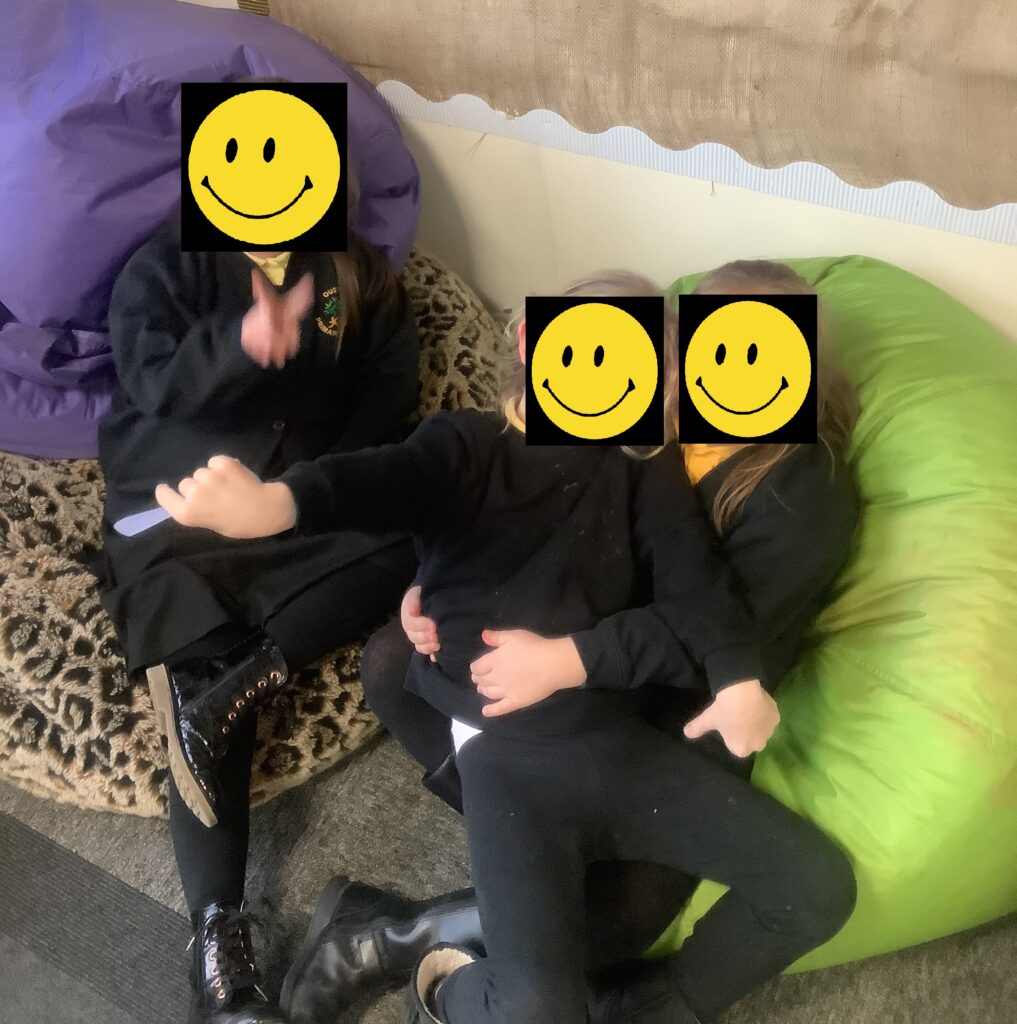
Pupil Voice 2023
“School is fantastic.”
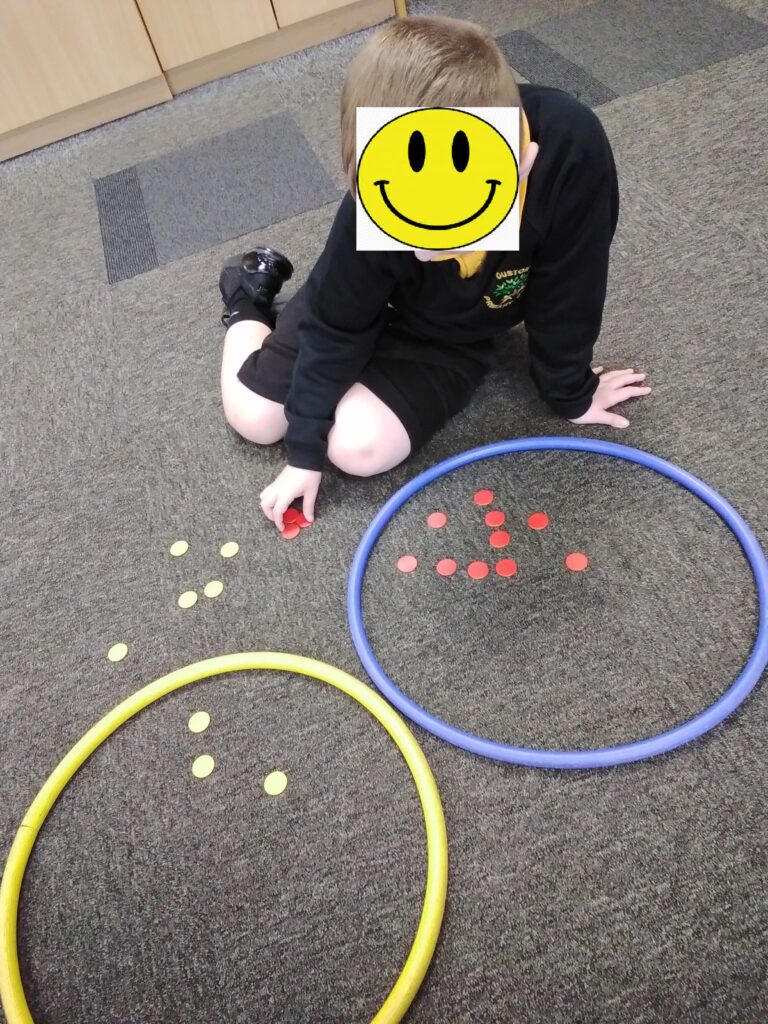
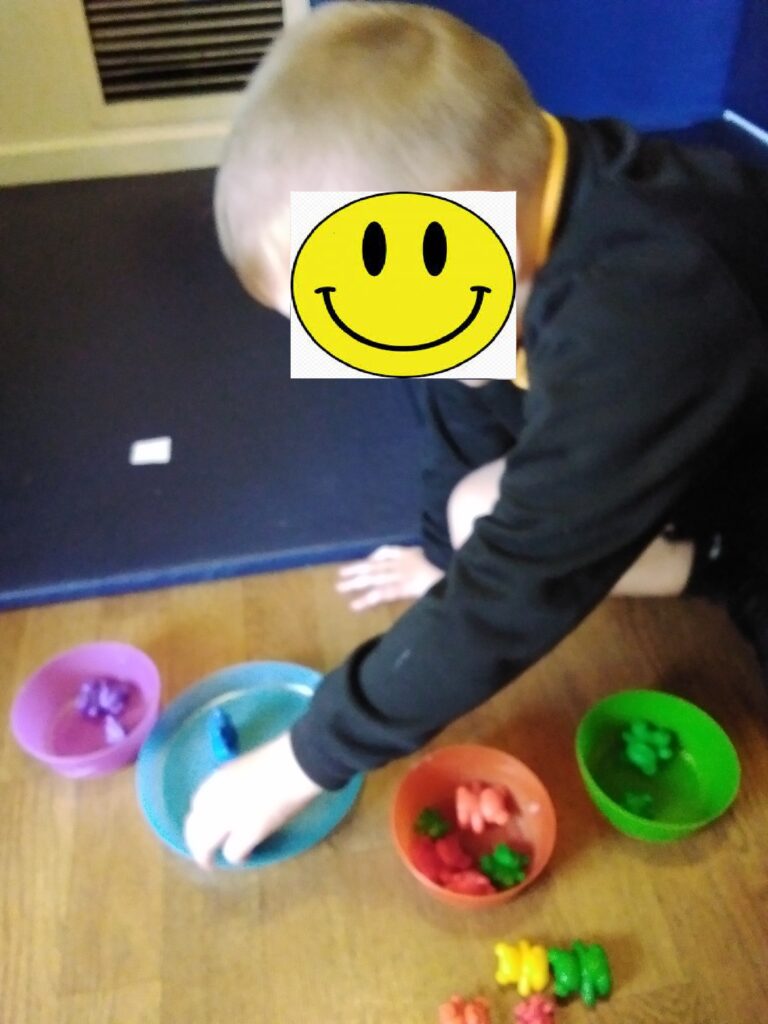
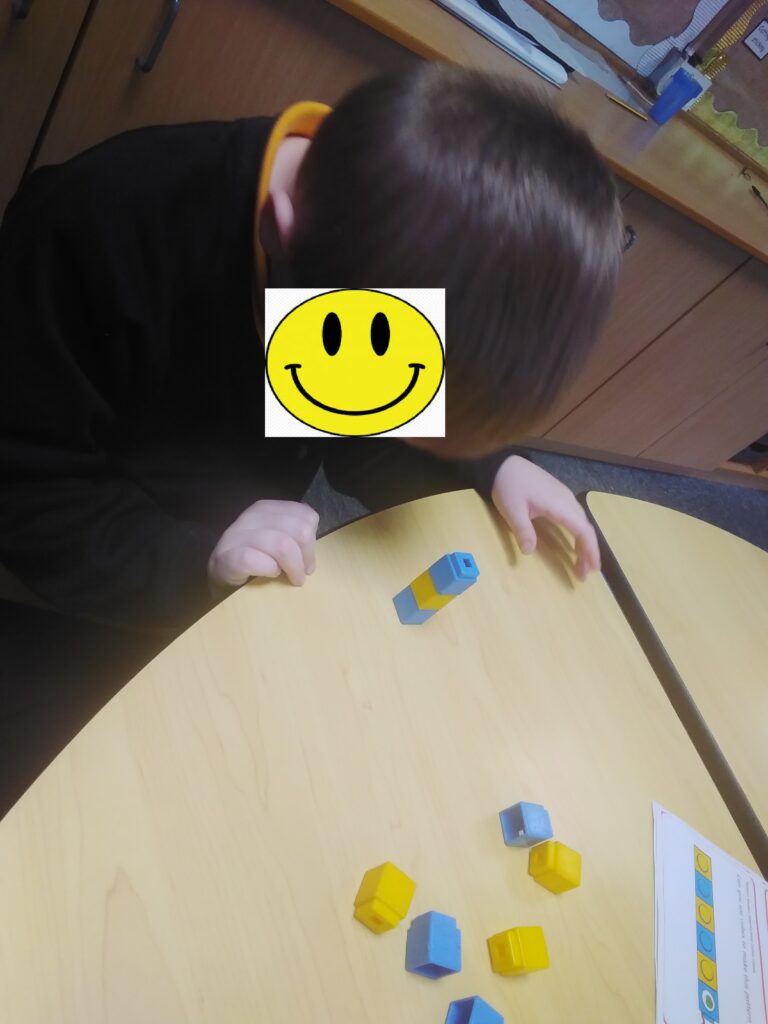
“Mrs F helps me with my counting.”
“I like going to the Learning Lab to play games with my friends.”
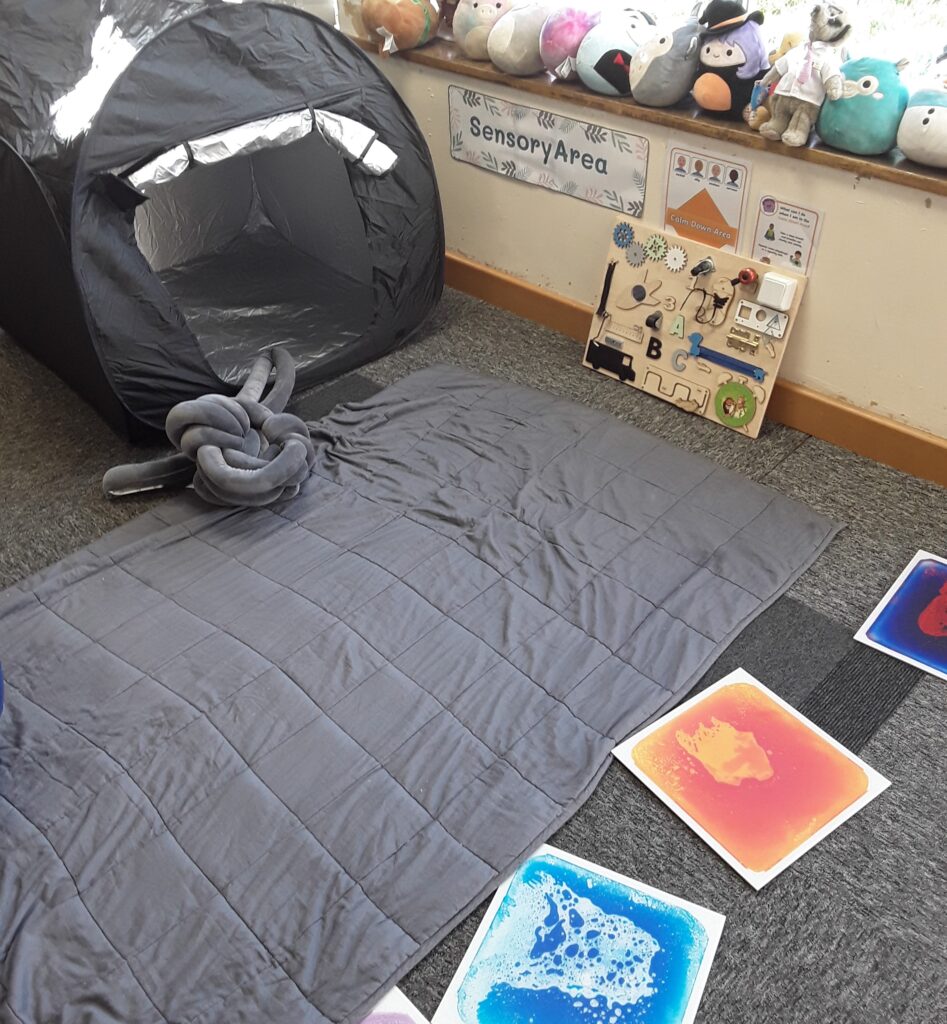
“My sensory box helps me.”
“Teachers help me by showing me what to do.”
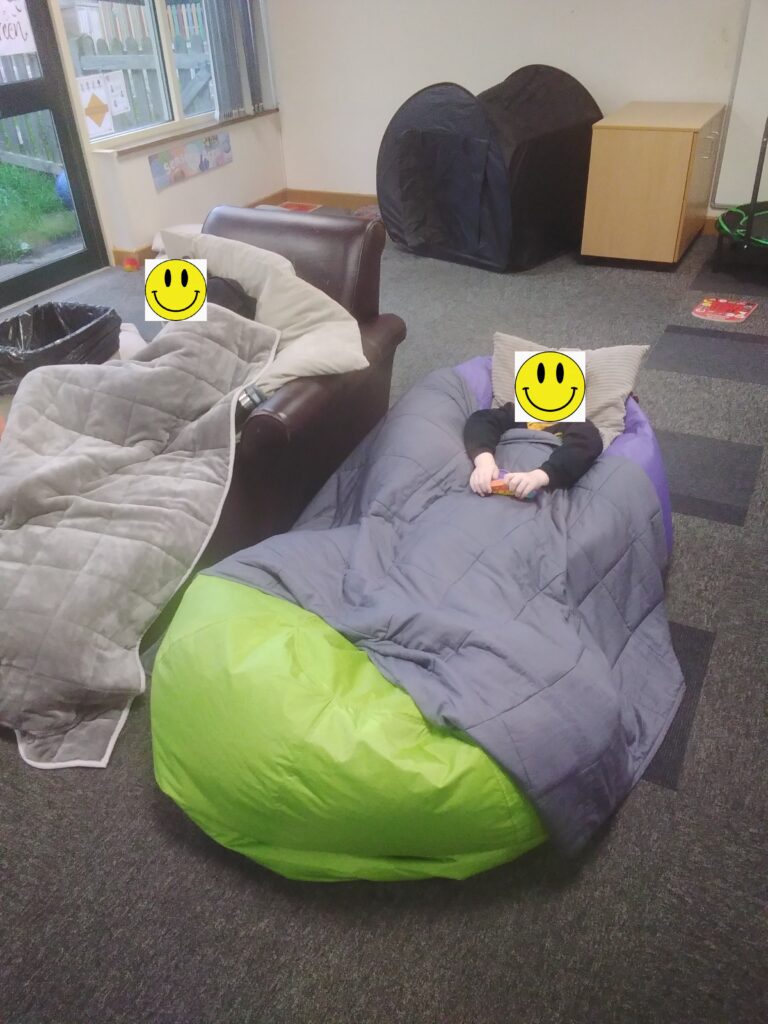
“I get special things to help me be calm.”
“I like seeing Mrs D because I like to play and talk about my feelings. It helps me.”
Parent Survey 2024
The new Learning Lab has made a huge difference. I know my daughter loves it and it’s lovely that she is mixing with other SEND children as well as a more tailored curriculum. She has really thrived this year from all the support and I know has made lots of friends that she may not have made otherwise.
The SENCo is a great help and support to my child and myself.
100% of respondents feel their child feels happy and safe at school
100% of respondents think our school promotes inclusion well
89% of respondents feel their child accesses an appropriate curriculum and a range of opportunities
89% of respondents know how their child is supported in school
100% of respondents know how their child is progressing
100% of respondents feel part of the reviewing of their child’s progress
100% of respondents know who to contact within school for advice
66% of respondents feel concerns are dealt with in a timely manner
89% of respondents know how to access the school’s SEN policy and information report
‘Teachers help all pupils to succeed. This includes effective support and nurture for pupils
with special educational needs and/or disabilities (SEND). Skilled leadership of this
provision enables pupils to learn alongside their peers with confidence’
‘Leaders’ commitment to inclusivity means no-one
misses out on anything the school offers. Strong and trusting relationships are built with
parents/carers. This is pivotal to the success of pupils with SEND in school’
Welcome
This SEND Information Report forms part of Durham County Council’s Local Offer for children and
young people with Special Educational Needs and Disabilities (SEND). At Ouston Primary School,
every child is valued, included and supported to achieve their full potential. We are committed to
removing barriers to learning, raising aspirations and working in partnership with families and
external agencies to ensure the best possible outcomes for all pupils.
We ensure that all pupils, regardless of their level of need, disability or background, make strong
progress from their individual starting points. A designated member of staff for Looked After
Children works closely with the SENCO to ensure that pupils who are looked after and have SEND
receive coordinated, effective support.
Areas of Need
We follow the four broad areas of need outlined in the SEND Code of Practice:
• Communication and Interaction
Including Autism Spectrum Condition and Speech, Language and Communication Needs.
• Cognition and Learning
Including Specific, Moderate, Severe and Profound Learning Difficulties.
• Social, Emotional and Mental Health (SEMH)
Including emotional regulation needs, anxiety, attachment needs and mental health
difficulties.
• Sensory and/or Physical Needs
Including hearing impairment, visual impairment, multi-sensory impairment and physical
disabilities.
Our Approach to Teaching, Learning and Curriculum
We believe that inclusive education means providing all pupils with high-quality teaching,
appropriate support and full access to a broad, balanced curriculum. Our pupils learn the National
Curriculum at a level and pace appropriate to their needs and abilities as well as learning through
wider opportunities that promote personal development, social skills and life-long learning.
To support pupils with SEND, we:
• Regularly review policy and practice to ensure best practice.
• Identify needs early and respond quickly.
• Work in partnership with parents/carers, pupils and external agencies.
• Adapt teaching, resources and learning environments to meet individual needs.
• Provide structured small-group and 1:1 interventions when required.
• Ensure pupils with SEND are fully included in all school activities.
• Promote independence, confidence, resilience and self-esteem.
• Use a range of teaching styles and approaches to match pupils’ needs.
• Ensure all staff are aware of pupils’ needs and how to support them effectively.
Identification and Assessment of SEND
Early identification is essential. Staff build strong relationships with pupils and monitor their
development closely. When concerns arise, teachers meet with parents/carers to discuss needs,
agree actions and set a review date. Similarly, we encourage parents/carers to speak to school staff
to share any concerns they may have.
Step 1 – Quality First Teaching (QFT)
Initial support is provided through high-quality, inclusive classroom teaching. A QFT Short Note
records concerns, outcomes and provision. Many needs are met at this stage.
Step 2 – SEN Support and a Detailed Support Plan
If concerns continue, the SENCO becomes involved. A Support Plan is created using the Assess
Plan–Do–Review cycle. Plans include:
• Strengths, interests and aspirations
• Areas of need
• Agreed outcomes
• Provision and strategies
• Termly reviews and next steps
Interventions may be delivered in class, in small groups or individually. External agencies may be
consulted for specialist assessment or advice.
Step 3 – Education, Health and Care Plan (EHCP)
A small number of pupils with complex needs may require an EHCP. The school works with the Local
Authority, parents and professionals to complete statutory assessment where appropriate.
Applying for an Education, Health & Care (EHC) Assessment
SEND Profile of the School
The school provides data on levels and types of need to the Local Authority through the school
census.
Area of Need 2025/26
Cognition & Learning 26%
Communication & Interaction 37%
Area of Need 2025/26
Social, Emotional, Mental Health 33%
Sensory & Physical 3%
Pastoral, Medical and Social Support
Supporting pupils’ wellbeing is central to our SEND provision. We provide:
• One-to-one sessions with our School Counsellor
• Therapeutic interventions (e.g., Draw Therapy, Lego Therapy)
• Small-group nurture support
• Access to specialist agencies
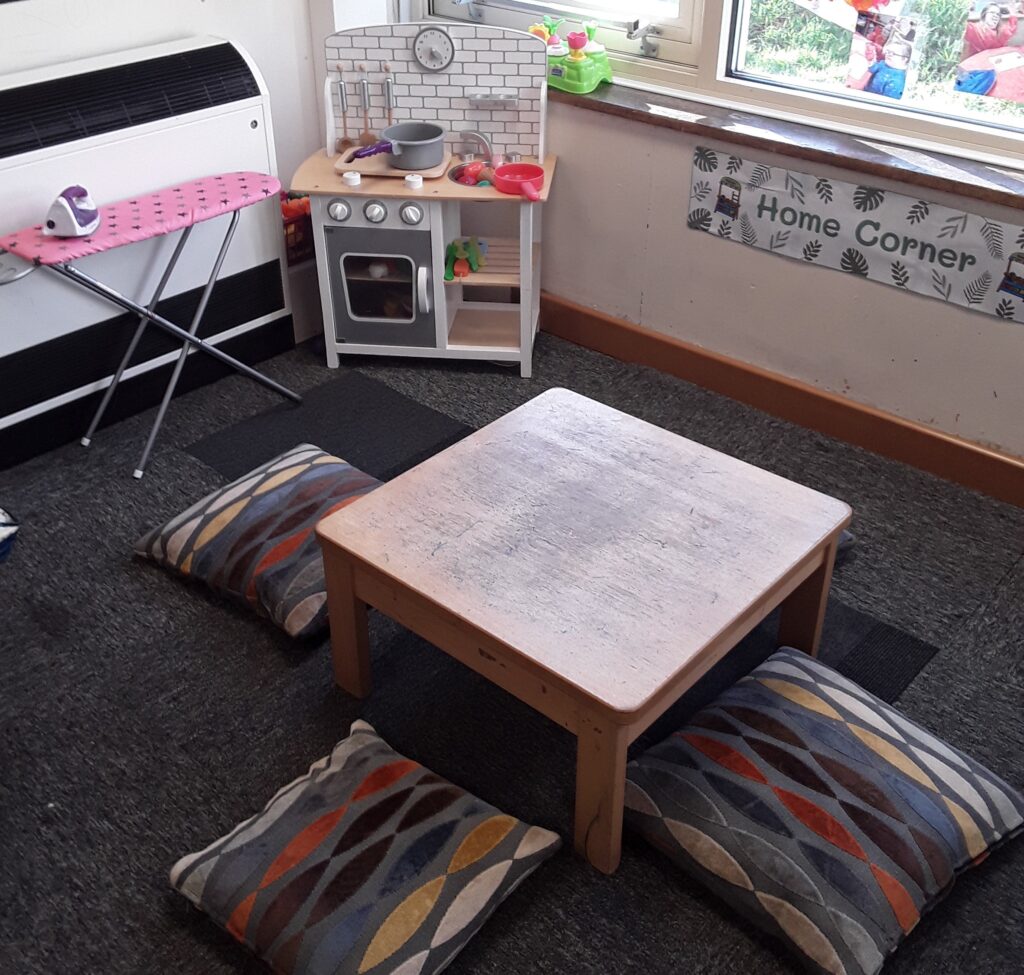
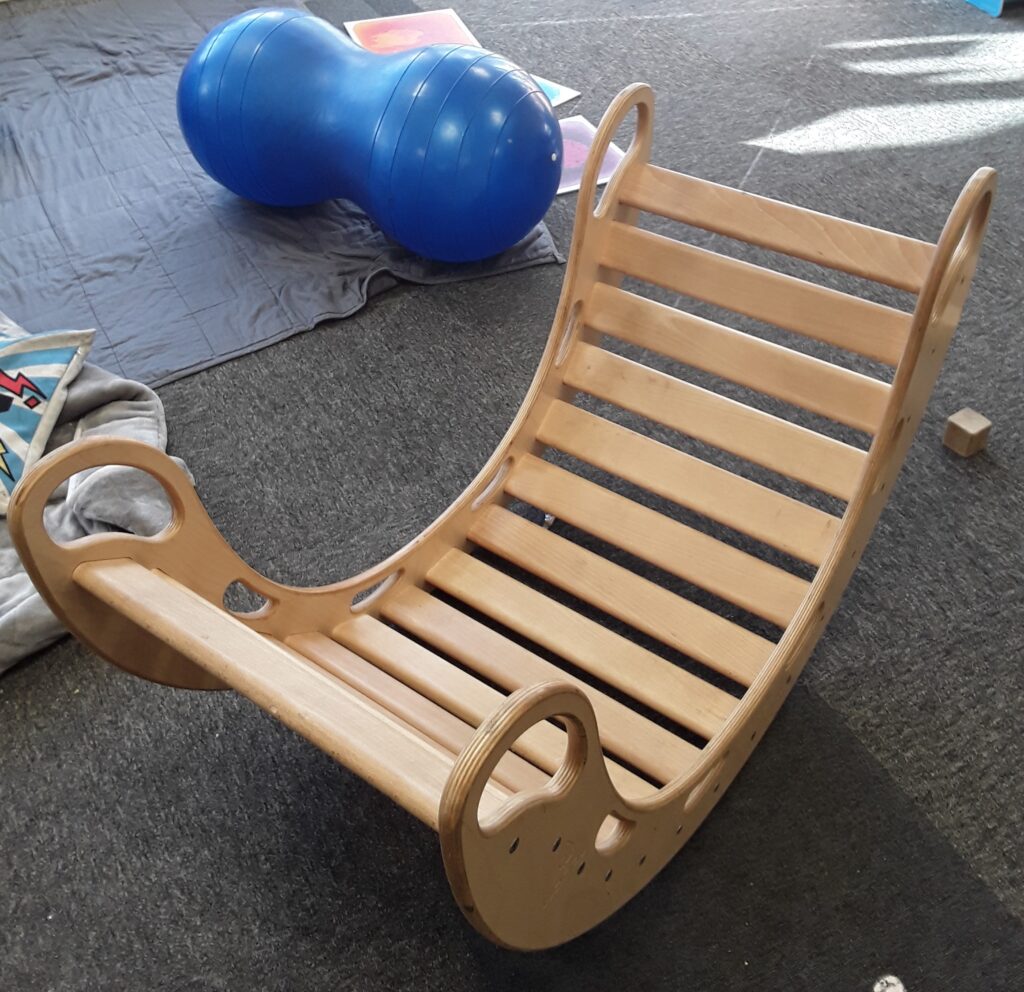
• Safe spaces for regulation, talk time and emotional support
• Allocated spaces for social support
• Close partnership with the school nurse
We aim to provide a secure, nurturing environment where every child can flourish.
Pupil and Parent Voice
We involve pupils and parents at every stage of the SEND process.
Pupil Voice
Pupils contribute to:
•Identifying their strengths and areas of difficulty
• Setting their own outcomes
• Reviewing progress
• Identifying strategies that help them
•Attending review meetings where appropriate
Parent and Carer Involvement
Parents are engaged through:
• Termly parents’ evenings
• Ongoing discussions with teachers and the SENCO
• An open-door policy for concerns
• Reviews of Support Plans and Annual Reviews for EHCPs
Transition Arrangements
Transitions can be challenging for pupils with SEND. We ensure they are well supported so
transitions are as smooth as possible.
Early Years
For children identified with SEND before starting school, we:
• Visit nurseries
• Observe children in their setting
• Meet with parents and professionals
• Plan enhanced transition where needed
Within School
Teachers meet to share information, update Support Plans and pass on successful strategies and
resources.
Secondary Transfer
We work closely with local secondary schools to provide:
• Visits and workshops in Years 5 and 6
• Additional transition sessions
• Meetings between SENCOs
• Opportunities for pupils to meet key staff
• Enhanced transition for pupils who need extra support
Working with External Agencies
We work with a wide range of professionals who may:
• Provide specialist assessment
• Offer advice and training
• Support pupils directly
• Contribute to statutory processes
These partnerships strengthen our provision and ensure pupils receive the right support at the right
time.
Below are links to advice about SEND and agencies that offer support to families of pupils with SEND.
• Durham SEND Information Advice and Support Service
• Chester-le-Street Family Hub, Co Durham – The Family Hubs Network
• Best Start Family Hub Chester-le-Street – Durham County Council
• Useful guides about special educational needs and disabilities (SEND) – Durham County Council
Staff Expertise
Our SENCO is Mrs J. Wise (BA Hons, PGCE, MA Education (SEN), NPQH). Staff receive regular
training to ensure they can meet pupils’ needs effectively and confidently.
The role of the SENCO includes:
• Leading the school’s strategic approach to inclusion, ensuring alignment with the 2025
Ofsted framework and the SEND Code of Practice.
• Coordinating provision for pupils with special educational needs and/or disabilities
• Liaising with, and advising, teachers and teaching assistants/HLTAs.
• Managing and mentoring teaching assistants/HLTAs
• Updating and overseeing the records of all pupils with SEND
• Liaising with parents/carers of pupils with SEND
• Liaising with other schools (feeder, secondary, school moves) psychologists, outside support
agencies, medical and social services.
• Meeting regularly with other SENCOs to keep up to date with current initiatives locally and
nationally and to seek out and share best practice.
• Monitoring planning and provision for children with SEND within classrooms.
• Ensuring there is a consistent approach to promote our ethos of inclusion and that pupils
with SEND are well-cared for and supported.
• Monitoring achievement and progress of children with SEND to ensure good progress is
being made at their appropriate level, including comparing rates of progress for children
with and without SEND.
• Gathering pupil and parent/carer voice to ensure our inclusion procedures promote working
together and are effective.
• analysing data on attendance, suspensions, progress, curriculum access and participation for
pupils with SEND, identifying patterns and actions.
• works closely with the Designated Safeguarding Lead to identify and respond to SEND
specific safeguarding vulnerabilities.
Funding for SEND
The school receives SEND funding from the Local Authority and additional Pupil Premium funding.
This is used for:
• SENCO release time
• Teaching assistant and HLTA support
• Specialist resources and equipment
• Staff training
• Small-group and individual interventions
• Costs of referrals to external agencies
Equality and Inclusion
We are committed to equality of opportunity and anti-discriminatory practice. We aim to:
• Provide a secure, accessible environment for all
• Value the contribution of all families
• Promote positive, non-stereotypical information
• Ensure all pupils have access to a broad, balanced curriculum
• Identify needs early and provide effective support
• Monitor progress regularly
• Work closely with parents and carers
• Maintain up-to-date knowledge and training
• Use the SEND budget effectively
• Work with a range of agencies and local schools
Our Accessibility Plan outlines how we support pupils and visitors with SEND.
Link to Accessibility Plan
Compliments, Concerns and Complaints
We welcome feedback about our SEND provision. Compliments can be shared with staff, the SENCO
or the Headteacher. Concerns should be raised following the school’s Complaints Policy, available on
our website.
Contact Information
For SEND enquiries, please contact:
• Headteacher: Mrs L. Lavelle
• SENCO (Deputy Headteacher, Headteacher – Mon & Tues): Mrs J. Wise
• SEND Governor: Mrs K. Barrass
• Email: info@oustonprimary.org.uk
• Telephone: 0191 410 2599